By Alicia Import and Export Trade Co., Ltd | 21 March 2025 | 0 Comments
What are the common failure of MRI chillers and how to prevent them?
MRI equipment chillers can experience several common failure modes, which can be prevented through specific measures. Here are the details:
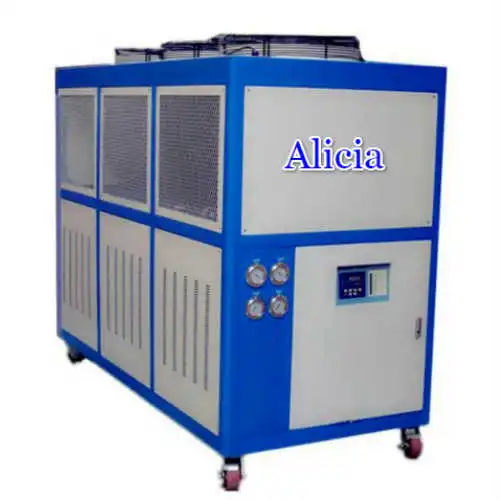
Common Failure Modes
- Refrigerant Leakage
- Causes: Worn seals, damaged tubing, or faulty components in the refrigeration system can lead to refrigerant leakage. Over time, the constant expansion and contraction of the refrigerant lines due to temperature changes can cause the seals to deteriorate. Physical damage to the tubing from vibrations or improper handling during installation can also create leaks.
- Consequences: Reduced cooling capacity, as the refrigerant is essential for the heat transfer process. The MRI equipment chiller may struggle to maintain the required low temperatures, leading to potential overheating of the MRI components. This can also result in increased energy consumption as the MRI equipment chiller works harder to compensate for the loss of refrigerant.
- Compressor Failure
- Causes: Overloading, inadequate lubrication, and electrical problems are common causes of compressor failure. If the MRI equipment chiller is subjected to high heat loads for an extended period, the compressor may become overloaded and overheat. Lack of proper lubrication can cause excessive wear and tear on the compressor's moving parts, leading to mechanical failure. Electrical issues such as voltage fluctuations or short circuits can also damage the compressor's motor.
- Consequences: Complete loss of cooling function, as the compressor is a central component in the refrigeration cycle. Without a functioning compressor, the MRI equipment chiller cannot circulate the refrigerant and remove heat from the system, resulting in a rapid increase in temperature of the MRI components.
- Cooling Fan Malfunction
- Causes: Bearing wear, motor burnout, or clogged air filters can cause cooling fan malfunctions. The continuous operation of the fans can cause the bearings to wear out over time, leading to reduced fan efficiency or complete failure. Dust and debris can clog the air filters, restricting the airflow and causing the fans to work harder, which may lead to motor burnout.
- Consequences: Reduced heat dissipation, as the cooling fans play a crucial role in removing heat from the condenser and other components. This can cause the MRI equipment chiller to overheat, affecting its overall performance and potentially leading to system shutdowns.
- Sensor Failures
- Causes: Sensor failures can be due to electrical interference, physical damage, or calibration issues. Electrical noise from other equipment in the MRI room can disrupt the sensor signals, leading to inaccurate temperature or pressure readings. Physical damage to the sensors during maintenance or installation work can also render them inoperative. Over time, sensors may drift out of calibration, providing incorrect data to the control system.
- Consequences: Incorrect temperature or pressure regulation, as the control system relies on accurate sensor data to adjust the cooling process. This can result in the MRI equipment chiller either overcooling or undercooling the components, affecting the performance and reliability of the MRI system.
Prevention Measures
- Regular Maintenance
- Inspections: Conduct routine visual inspections of the MRI equipment chiller's components, including the refrigerant lines, seals, and tubing, to detect any signs of leakage or damage. Check the compressor for unusual noises or vibrations, and inspect the cooling fans for proper rotation and signs of wear.
- Cleaning: Clean the air filters regularly to ensure proper airflow and prevent dust and debris from clogging the system. Wipe down the exterior of the MRI equipment chiller and remove any accumulated dirt or grime.
- Calibration: Calibrate the temperature and pressure sensors regularly to ensure accurate readings. Follow the manufacturer's recommended calibration procedures and schedules.
- Proper Installation
- Location: Install the MRI equipment chiller in a well - ventilated area with sufficient space around it to allow for proper air circulation. Avoid placing it near sources of heat or electrical interference.
- Alignment and Mounting: Ensure that the MRI equipment chiller is properly aligned and mounted to reduce vibrations and stress on the components. Use vibration - isolating mounts if necessary.
- Electrical Connections: Check and secure all electrical connections to prevent loose wires or voltage fluctuations. Use appropriate electrical protection devices such as surge protectors.
- Operator Training
- Operation Procedures: Train operators on the correct operation and maintenance procedures for the MRI equipment chiller. They should know how to monitor the system's parameters, recognize abnormal conditions, and take appropriate action.
- Safety Awareness: Educate operators about the safety hazards associated with the MRI equipment chiller, such as refrigerant leaks and electrical shock, and train them on how to handle emergency situations.
- Monitoring and Alarm Systems
- Continuous Monitoring: Implement a continuous monitoring system to track the MRI equipment chiller's performance parameters in real time. This allows for early detection of any potential problems before they escalate.
- Alarm Settings: Set up appropriate alarm thresholds for temperature, pressure, and other critical parameters. The alarms should be configured to notify the relevant personnel immediately in case of an abnormal condition.
How are water chillers used in sea salt manufacturing?
What are the applications for MRI water chillers?
Leave a Reply
Your email address will not be published.Required fields are marked. *