Common faults and solutions of mold temperature controller machine
1. After power on, the indicator light does not light up
Failure analysis: There are generally three reasons for the indicator light not to light up, namely circuit board failure, fuse burnout, and button switch failure.
Countermeasures: generally use a multimeter for detection, lock the cause of the fault, and replace the faulty parts such as circuit boards, fuses, and button switches.
2. The high temperature oil pump reverses and alarms
Fault analysis: The reason is obvious, that is, the power cord is reversed, or the protector fails.
Countermeasures: It is necessary to disconnect the main power supply, first exchange the R and T lines of the power cord, and then power on for testing; if the alarm still occurs after the previous step, you need to update a new relay protector.
3. Oil shortage indication and alarm
Failure analysis: The oil shortage indicator light is on, it may be the fault of the liquid level switch, which may cause an incorrect information prompt, or it may be caused by too little heat transfer oil in the system, or less heat transfer oil caused by oil leakage.
Countermeasures: First, clean and test the hydraulic switch. If the fault persists, replace it with a new one; then check whether there is oil leakage at the connecting pipes between the equipment and the oil pump. If there is, contact the manufacturer for technical guidance; if there is no oil leakage , you only need to inject a sufficient amount of heat transfer oil into the fuel tank.
4. Over temperature indication and alarm
Fault analysis: The reason for the over-temperature alarm is generally that the heating command cannot be stopped due to the stuck heating contactor or the failure of the circuit board, or the function of the over-temperature protection controller may fail.
Countermeasures: After disconnecting the power supply, use a multimeter to test the contactor, circuit board, and over-temperature controller respectively. If any part is faulty, replace the corresponding electrical components to resume normal use.
5. Failed to heat up
Failure analysis: The direct cause of the heating failure is the burning of the heating tube, the failure of the circuit board, or the failure of the solenoid valve of the cooling system, which leads to continuous cooling, or the failure of the pressure switch.
Countermeasures: After the power is turned off, check the heater and circuit board, and replace the new heating tube or circuit board; clean the scale and sundries on the cooling solenoid valve, and replace it with a new one if the condition is serious; check whether the pressure switch is functioning normally.

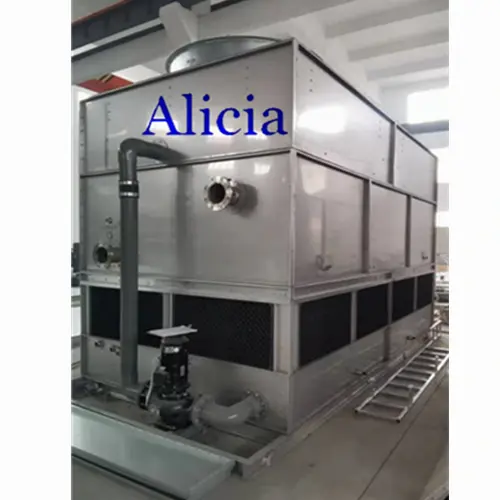 Why are closed-circuit cooling towers needed to make cheese?
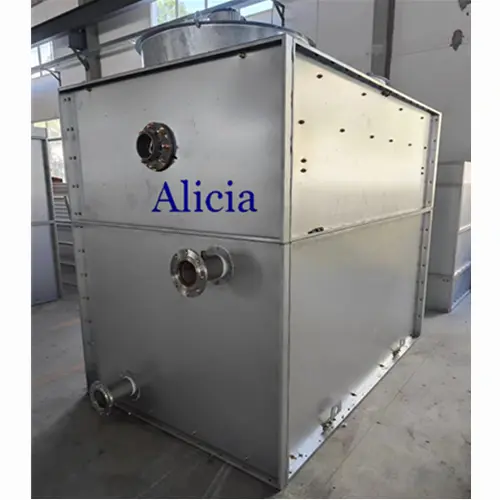 closed-circuit cooling tower systems for process cooling applications
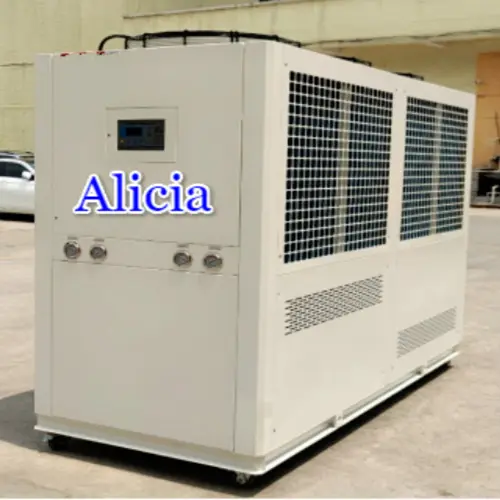 How are chillers used in the cosmetics manufacturing industry?
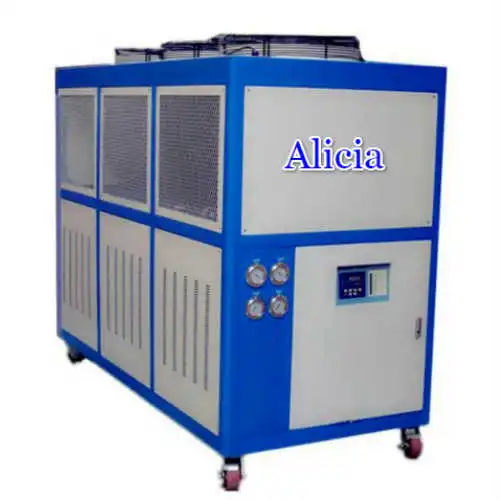 How are water chillers used in the detergent manufacturing industry?


