How to choose a chiller suitable for the plastic blow molding industry?
The key to selecting a chiller suitable for the plastic blow molding industry lies in matching production needs and ensuring operational stability. This requires a comprehensive assessment based on the blow molding process, equipment parameters, and actual operating conditions.
1. Prioritize matching the blow molding process with equipment specifications.
Different blow molding processes and equipment scales place distinct demands on the chiller, which forms the basis for model selection.
Selecting the type based on the blow molding process
Extrusion blow molding (e.g., PE bottles): Cooling both the extruder (barrel, screw) and the blow molding mold is required. A water-cooled chiller is recommended. Its high cooling efficiency can handle the high heat generated continuously by the extruder. It can also be connected to an external cooling tower, making it suitable for long-term continuous production.
Injection stretch blow molding (e.g., PET bottles): Cooling the mold (injection mold, blow molding mold) is the primary focus, requiring even higher water temperature accuracy (±0.5-1°C). We recommend a screw chiller, which offers high temperature control accuracy and stable cooling capacity, preventing problems like bottle shrinkage and deformation.
Customize cooling capacity based on equipment size.
Core calculation formula: Cooling capacity (kW) = Equipment heat dissipation power (kW) × 1.2 (redundancy factor).
Key reference indicators: Number of cavities in the blow molding machine (single-cavity/multi-cavity), production speed (pieces/hour), and mold size. For example, an 8-cavity PET blow molding machine typically requires 1.8-2 times the cooling capacity of a 4-cavity machine, necessitating a chiller with a higher rating.
2. Controlling Key Performance Parameters
Performance parameters directly determine the stability of the chiller. Focus on the following three key points:
Temperature control accuracy: Plastic blow molding is extremely sensitive to water temperature fluctuations, requiring accuracy within ±1°C. Insufficient accuracy can lead to uneven bottle wall thickness and bottle neck deformation. We recommend choosing a model with a PID intelligent temperature control system.
Cooling Efficiency: Prioritize chillers with a high Cost-Effectiveness Ratio (COP), especially for long-term continuous production. For example, the COP of a screw chiller is typically 15%-20% higher than that of a piston chiller, resulting in significant electricity savings over the long term.
Water Circulation System: The waterline interface specifications must match those of the blow molding equipment to ensure adequate flow. Also, choose a chiller equipped with a stainless steel water tank and a multi-stage filtration system to prevent scale from clogging the waterline and affecting cooling efficiency.
3. Consider the actual production scenario
Specific requirements in your actual scenario will influence the final selection decision and should not be ignored.
Environmental Conditions: If the production workshop temperature is high (e.g., exceeding 35°C in summer) or there is a lot of dust, it is recommended to select an air-cooled chiller with a dust screen installed to prevent cooling efficiency degradation due to high ambient temperatures.
Scalability Requirements: If you plan to add blow molding machines in the future, choose a chiller with a modular design that allows expansion by adding units without replacing the entire system. Maintenance convenience: Give priority to models with compact structure and easy disassembly and maintenance, such as chillers equipped with independent maintenance doors and visual oil level gauges, which can reduce subsequent maintenance time and costs.


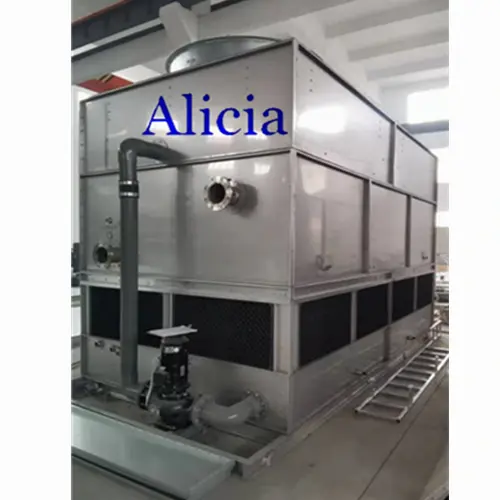 Why are closed-circuit cooling towers needed to make cheese?
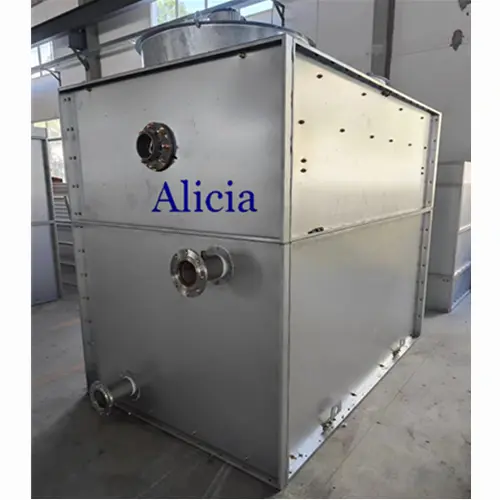 closed-circuit cooling tower systems for process cooling applications
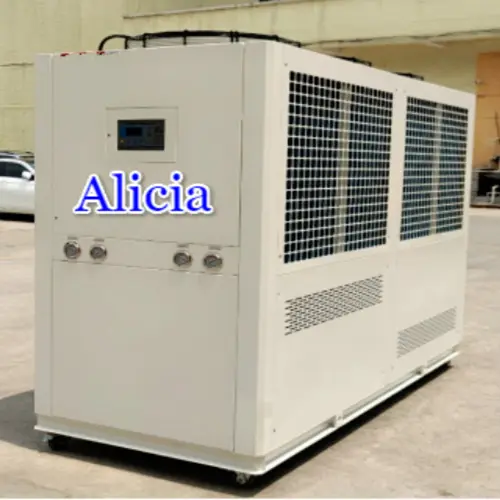 How are chillers used in the cosmetics manufacturing industry?
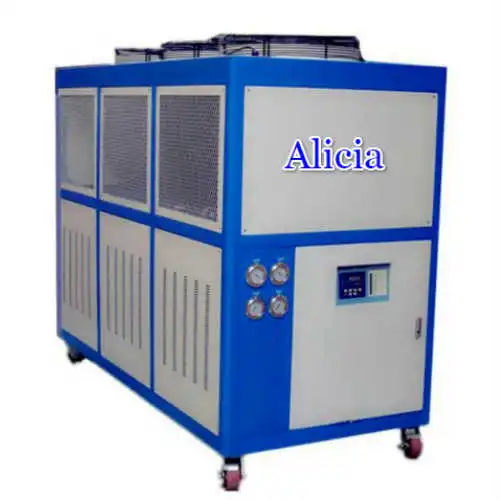 How are water chillers used in the detergent manufacturing industry?
