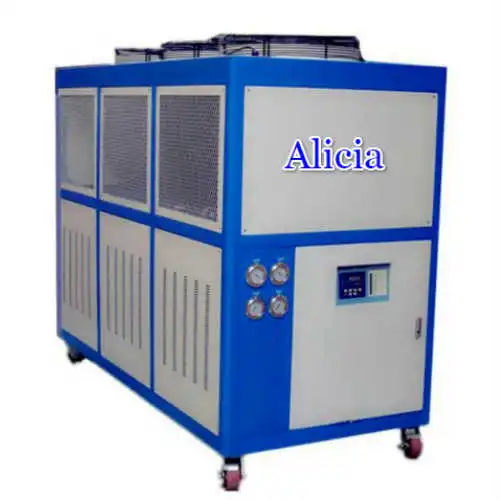
Industrial chiller for temperature control of PU polyurethane foam
Polyurethane is the abbreviation of polyurethane, the English name is polyurethane, it is a kind of polymer material. Polyurethane is an emerging polymer material, known as the "fifth largest plastic". Because of its good performance, it is widely used in many products and fields such as syntactic foam, sponge, seat, cold storage waterproof and thermal insulation.
In the production process of polyurethane foam, there are generally several main process steps: feeding - cleaning - coating - installing accessories - injection - curing - demoulding - trimming - post curing, etc.
Among all the process parameters of its production, it is emphasized that the stability of temperature is the primary condition. If the temperature fluctuates, it will inevitably lead to fluctuations of other system parameters. For example, if the material temperature is too low or too high, the reaction time will be too slow or too fast; if the material temperature or mold temperature is too high, it will cause bubble leakage; Below we describe in detail the requirements for temperature control from the application of industrial chillers in polyurethane foam:
Temperature management of polyurethane (PU) foam:
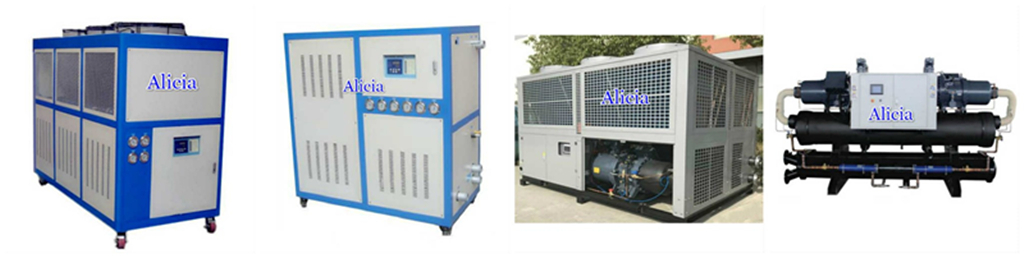
Temperature control of raw materials: generally controlled at 20±2℃; the temperature of the heat exchanger is controlled near the mixing head, so that the original temperature is associated with the switch of cooling water, and the flow of cooling water is automatically controlled to cool the raw materials. Taking seat cushion foaming as an example, polyurethane foam chillers are currently used in the market. The operating temperature is between 5 and 30 degrees. The specific cooling power and circulating pump are mainly based on the foaming mold. The size of the pump and the required cooling amount are calculated, and the flow rate of the pump is also selected according to the temperature control process.
Mold temperature: 50±5℃; The mold temperature can be controlled by Bosheng Refrigeration W series water circulation temperature controller series. (Note: The temperature of raw materials, molds and spiral molds should be adjusted according to the actual situation)

 Why are closed-circuit cooling towers needed to make cheese?
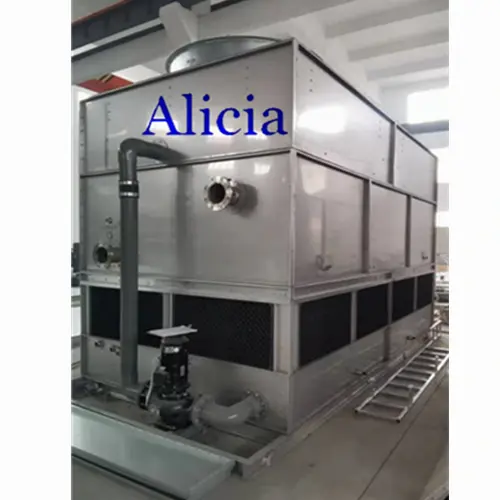
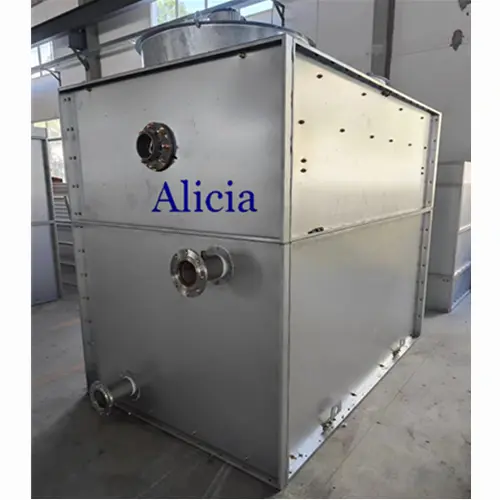 closed-circuit cooling tower systems for process cooling applications
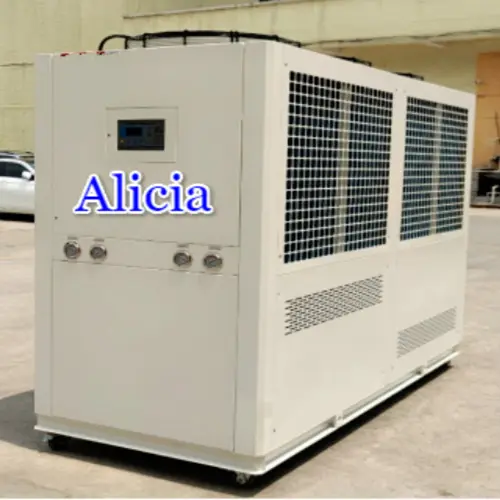 How are chillers used in the cosmetics manufacturing industry?
 How are water chillers used in the detergent manufacturing industry?


