Masterbatch Frequently Asked Questions
Sometimes there will be problems with the volumetric meter during the mixing process. This may be a problem with the volumetric meter itself, or it may be a problem with the masterbatch. So, next we will focus on the common problems of color masterbatch.
1. The color is too dark (too light) after being used according to the proportion in the main instructions.
Reasons: The color masterbatch was not carefully tested, and the pigment was too little or too much; the measurement was inaccurate, and there were a lot of measurement phenomena in domestic enterprises, especially small and medium-sized enterprises; there was a problem with the matching of the masterbatch and the resin, which may be due to improper selection of the masterbatch carrier, or The manufacturer changed the resin variety at will; the temperature of the machine was inappropriate, and the color masterbatch stayed in the quantitative feeder for a long time.
Solution: First check whether the resin type matches the quantitative feeder and whether the measurement is accurate. Secondly, adjust the machine temperature or speed. If there are any problems, please contact the masterbatch manufacturer.
2. The same color masterbatch, resin, and formula will have different colors when injected into metering machines with different capacities.
Reason: This is caused by the injection molding machine. Different injection molding machines have different mechanical conditions due to different manufacturing, usage time or maintenance status, especially the difference in tightness between the heating element and the barrel, and the degree of dispersion of the color masterbatch in the barrel. Likewise, appeals may occur.
3. The same masterbatch color and formula, but different resin varieties, have different colors.
Reason: The density and melt index of different grades of resin will be different, so the performance of the resin will also be different, and the compatibility with the color masterbatch will also be different, causing serious changes. Generally speaking, as long as the density and melt index are consistent, the index difference is not If it is very large, then the color difference is not too big. You can adjust the amount of color masterbatch to correct the color.

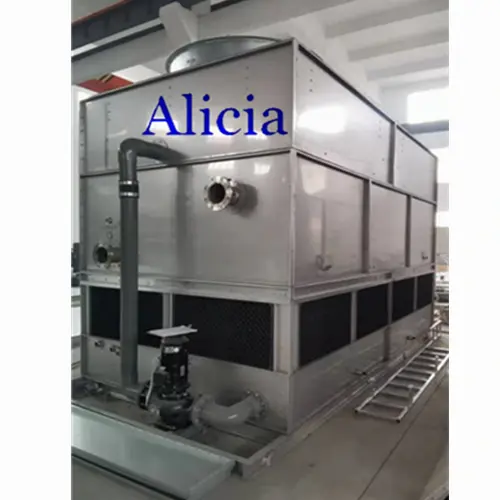 Why are closed-circuit cooling towers needed to make cheese?
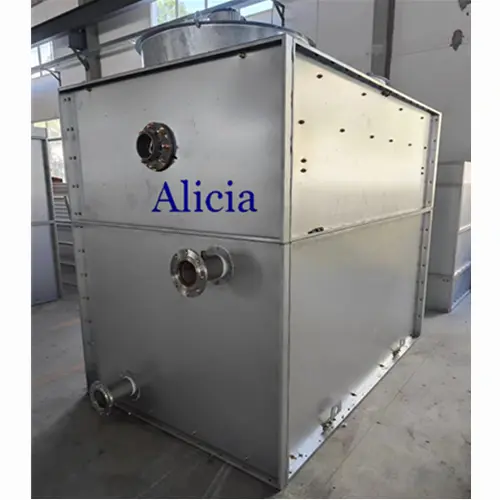 closed-circuit cooling tower systems for process cooling applications
 How are chillers used in the cosmetics manufacturing industry?
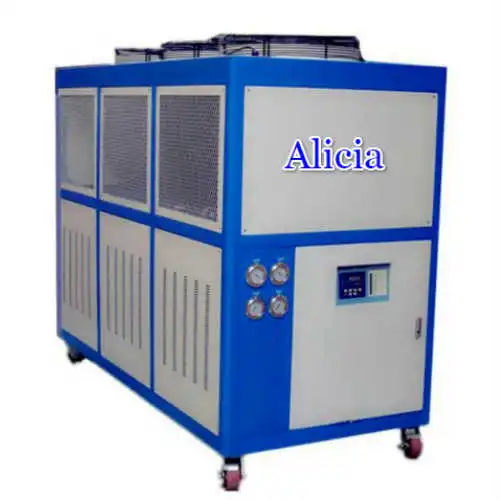 How are water chillers used in the detergent manufacturing industry?


