Applicable production scale
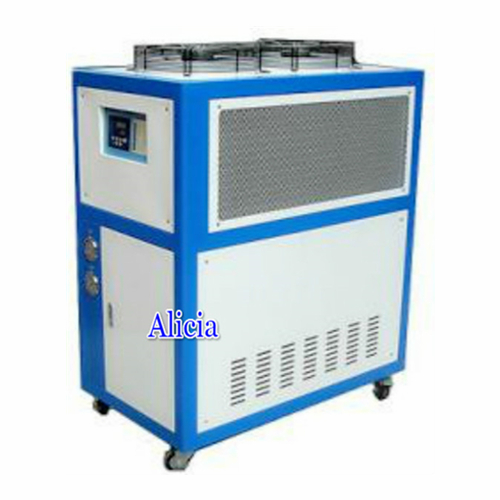
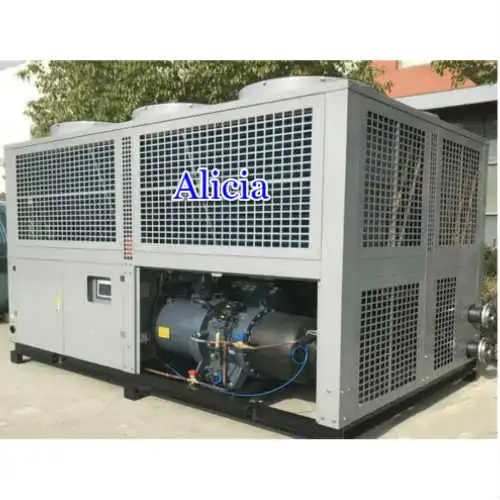
Air-cooled chillers: Usually suitable for small or medium-sized production enterprises. For example, a small plastic pipe factory, a PPR pipe production line with a daily output of about 5,000 meters, or an aluminum alloy door and window profile processing plant with a monthly output of about 1,000 tons, the production scale is relatively small, and the cooling capacity of the air-cooled chiller can meet the demand.
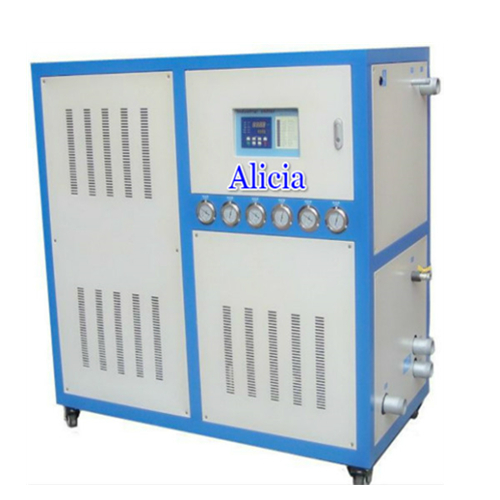
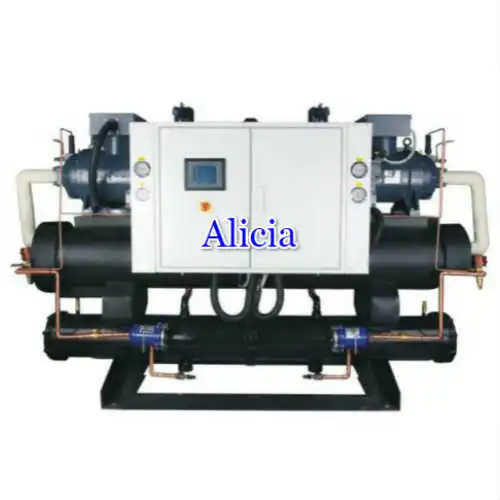
Water-cooled chillers: More suitable for large production bases or enterprises with extremely high refrigeration requirements. Like large plastic pipe production bases, large-diameter HDPE pipe production lines with an annual production capacity of more than 50,000 tons, and factories producing high-end composite material profiles, water-cooled chillers can cope with the large amount of heat generated in large-scale production.
Environmental adaptability
Air-cooled chillers: have obvious advantages in areas with mild climates. For example, in a small plastic pipe factory in Shandong, where the annual average temperature is around 15℃, air-cooled chillers can effectively use ambient air to dissipate heat, and are less affected by the environment and can operate stably.
Water-cooled chillers: They are more adaptable to ambient temperature and humidity. For example, in a high-end composite material profile factory in Shanghai, even in the high temperature and high humidity environment in summer, water-cooled chillers can dissipate heat through cooling towers and still accurately control the temperature to ensure product quality.
Installation and maintenance
Air-cooled chillers: They are relatively simple to install and do not require an additional cooling system. They can be installed directly next to the extrusion production line. For example, in an aluminum alloy door and window profile processing plant in Guangdong, air-cooled chillers are easy to install, and daily maintenance mainly involves checking and cleaning the unit itself, with low maintenance costs.
Water-cooled chillers: They are more complicated to install and require auxiliary equipment such as cooling towers and circulating water pumps, which take up a lot of space. However, in large-scale production enterprises, due to the presence of a professional maintenance team, although the maintenance work involves multiple parts such as chillers and cooling towers, the overall maintenance work can still be carried out in an orderly manner to ensure the stable operation of the system.
Air-cooled chillers: can meet the quality requirements of general pipe profiles, so that the products can achieve a high pass rate, such as PPR pipe product pass rate of more than 98%, aluminum alloy profiles can meet the precision requirements of door and window assembly.
Water-cooled chillers: more advantageous in the production of high-end products, can control temperature fluctuations within a very small range, such as the production of high-end carbon fiber composite material profiles, can ensure the perfect combination of carbon fiber and resin, so that the product has high strength, lightweight and other excellent properties.



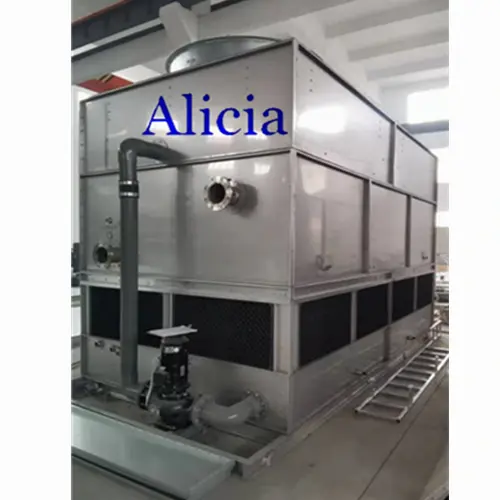 Why are closed-circuit cooling towers needed to make cheese?
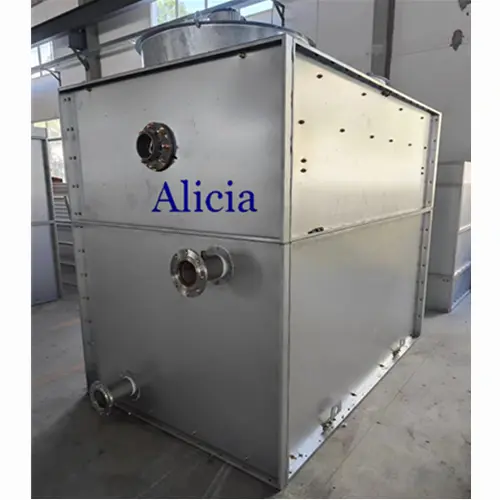 closed-circuit cooling tower systems for process cooling applications
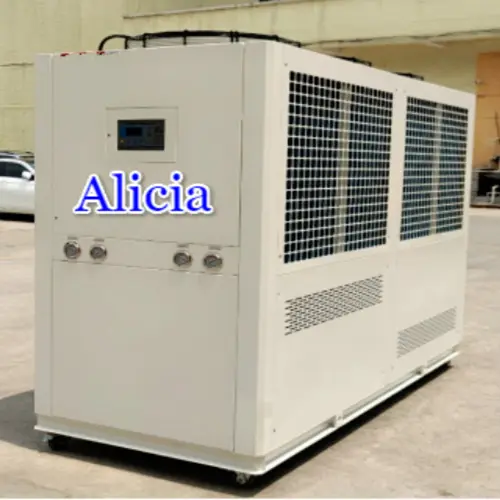 How are chillers used in the cosmetics manufacturing industry?
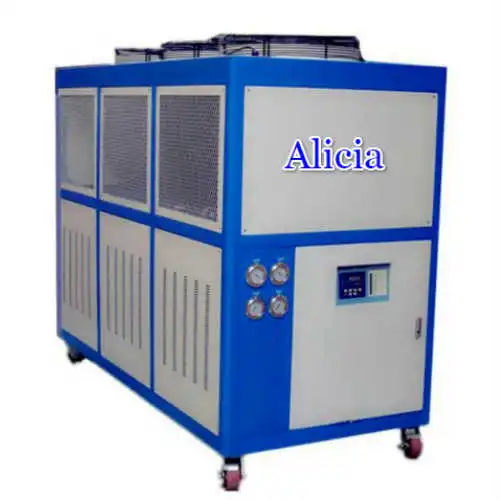 How are water chillers used in the detergent manufacturing industry?
