MRI water chillers are essential for maintaining optimal operating conditions in MRI systems by effectively managing heat generation. Here's a structured overview of their applications:
1. Cooling Critical MRI Components
Superconducting Magnets: High-field MRI machines use superconducting magnets that require cryogenic cooling (often with liquid helium). MRI water chillers assist in secondary cooling, ensuring stable temperatures to prevent quenching (loss of superconductivity).
Gradient Coils: These generate significant heat during operation, risking image quality if overheated. MRI water chillers circulate coolant to dissipate this heat.
Radiofrequency (RF) Transmitter: Produces heat during signal transmission, which the MRI water chillers help manage to avoid thermal interference.
Power Supplies and Electronics: Cooling these prevents overheating, ensuring reliable performance and longevity.
2. Environmental and System Stability
Room Temperature Control: Works alongside HVAC systems to maintain a stable ambient temperature, crucial for patient comfort and minimizing thermal drift in images.
Preventing Downtime: Reliable cooling reduces risks of overheating-related malfunctions, protecting expensive equipment and avoiding costly repairs.
3. Different MRI Configurations
Open and Portable MRIs: Compact, efficient
MRI water chillers adapt to open designs or portable units, ensuring cooling without compromising space or mobility.
Low-Field vs. High-Field Systems: Low-field magnets using refrigerants may rely more directly on water MRI water chillers, while high-field systems use them in tandem with cryocoolers.
4. Industrial and Research Applications
Non-Medical MRI Uses: In material science or NDT (non-destructive testing), MRI water chillers support MRI systems used for analyzing materials or structures, where precise temperature control is vital.
5. Safety and Compliance
Non-Conductive Coolants: Ethylene glycol or eco-friendly alternatives ensure safety in MRI environments, preventing electrical hazards.
Efficient Heat Dissipation: Proper cooling meets regulatory standards for medical device safety and environmental regulations.
6. Maintenance and Standby
Idle Mode Cooling: Prevents residual heat buildup when the machine is not in use, prolonging component life and reducing maintenance cycles.
Conclusion
MRI water chillers are pivotal in ensuring the precision, safety, and reliability of MRI technology across medical diagnostics and industrial applications. By addressing heat management for critical components and environmental conditions, they contribute to high-quality imaging, operational efficiency, and extended equipment lifespan.


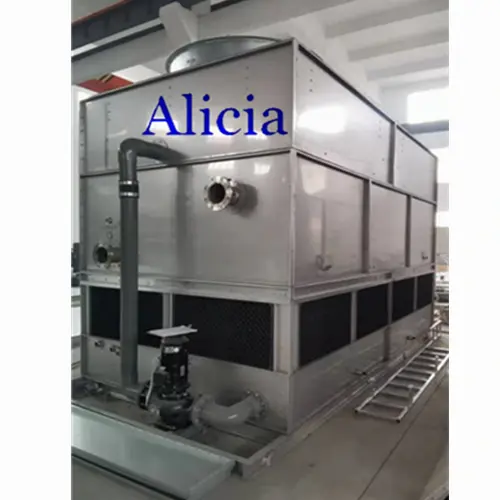 Why are closed-circuit cooling towers needed to make cheese?
 closed-circuit cooling tower systems for process cooling applications
 How are chillers used in the cosmetics manufacturing industry?


