Step 1: Rapid Wort Cooling (Maximum Cooling Load for the Entire Plant, Core Necessity)
Brewing Process Nodes: Saccharification → Boiling → Whirling Sedimentation → Wort Cooling → Fermentation Tank
Process Conditions: After boiling, the wort temperature is 95–98°C, requiring rapid cooling within a short time.
Cooling Targets: Lager beer to 7–10°C, ale beer to 12–18°C.
Refrigeration Medium: 2–4°C industrial ice water (conventional clean water chiller unit).
Core Functions:
Rapidly terminates the high-temperature chemical reaction in the wort, preserving hop aroma and flavor;
Achieves the optimal temperature for yeast inoculation, preventing high temperatures from killing the yeast;
Rapidly condenses hot solids and condensates, improving beer clarity;
Load Characteristics: Extremely high instantaneous peak cooling capacity, intermittent operation, determining the overall refrigeration capacity of the plant.
Step Two: Constant Temperature Cooling of Fermentation Tanks (Continuous Operation, Medium-High Load)
Brewing Process Nodes: Wort Input → Primary Fermentation Stage → Diacetyl Reduction
Process Conditions: Yeast fermentation continuously generates biological heat, causing the tank temperature to rise spontaneously.
Temperature Control Targets: Lager Low-Temperature Fermentation: 8–12℃; Ale High-Temperature Fermentation: 18–22℃;
Refrigeration Medium: -5–5℃ Ethylene Glycol Low-Temperature Chiller Unit;
Core Functions: Precisely removes metabolic heat from fermentation, strictly controlling fermentation temperature; Temperature stability determines beer taste, bitterness, fruitiness, and off-flavors; Low temperature inhibits the growth of unwanted microorganisms, ensuring fermentation purity;
Load Characteristics: 24-hour continuous operation, stable load, this is the most energy-intensive refrigeration stage daily.
Step 3: Low-Temperature Aging of Beer & Sake Tank Storage (Your Existing Project, Low Load)
Brewing Process Nodes: Primary Fermentation Completed → Low-Temperature Aging → Sake Storage → Awaiting Bottling
Process Conditions: The fermented young beer is transferred to insulated, sealed storage tanks;
Temperature Control Target: Constant **0~2℃** Ultra-low temperature storage;
Core Functions:
* Low temperature promotes the full precipitation of yeast, proteins, and polyphenols, resulting in natural clarification of the beer;
* Stabilizes carbon dioxide dissolution, ensuring a crisp finish;
* Inhibits microbial growth, delays beer oxidation, and extends shelf life;
* Balances the flavor profile, reduces bitterness, and creates a smoother, more mellow taste;
Load Characteristics: No cooling requirement; only offsets ambient high-temperature heat transmission and pipeline losses; minimal cooling capacity required.
Step Four: High-Concentration Brewing, Blending, and Cooling (Mid-Stage Auxiliary Cooling)
Brewing Process Nodes: Concentrated liquor brewing → Low-temperature dilution and blending → Finished product shaping
Process Conditions: Modern wineries generally use high-concentration fermentation (to reduce equipment costs). After fermentation, sterile ice water is added for blending to lower the alcohol content.
Temperature Control Target: Blending water and mixed liquor are controlled at 0-4℃ throughout the process.
Refrigeration Medium: Low-temperature ice water unit;
Core Functions:
Low-temperature blending prevents oxidation and flavor deterioration due to temperature rise;
Precisely controls alcohol content and concentration, ensuring consistent batch quality;
More uniform mixing at low temperatures, preventing flavor separation;
Load Characteristics: Intermittent operation, moderate cooling requirement.
Step 5: Finished Beer Terminal Cooling Before Bottling (Production Line Support)
Brewing Process Nodes: Sake Tank Discharge → Terminal Cooling → Bottling/Bottled/Kegging
Process Conditions: The temperature of the beer exiting the storage tank will rise slightly, making direct bottling impossible;
Temperature Control Target: Uniformly reduce to 0-3℃ for low-temperature bottling;
Core Functions:
Low-temperature bottling reduces foam overflow and bottling losses;
Low-temperature bottling inhibits secondary contamination and oxidation during the bottling process;
Ensuring consistent finished product temperature at the factory exit, improving drinking taste;
Load Characteristics: Load fluctuates significantly with production line start-up and shutdown.
Section Six: Process Media and CIP Cleaning Auxiliary Cooling (Essential Supporting Equipment)
An auxiliary section for the entire brewing process, used throughout.
Process Conditions: Production line CIP in-situ cleaning, acid and alkali solution circulation, sterile water storage, workshop process water temperature control;
Temperature Control Target: Precise temperature control within the 5-15℃ range;
Refrigeration Medium: Conventional chiller unit;
Core Functions:
Controlling the cleaning solution temperature to prevent high-temperature corrosion of tanks, sealing rings, and pipelines;
Providing low-temperature process water to meet equipment sealing and instrument cooling requirements;
Stabilizing the workshop ambient temperature to ensure stable operation of brewing equipment;
Load Characteristics: Continuous low-load operation year-round, a basic supporting cooling system for the entire plant.




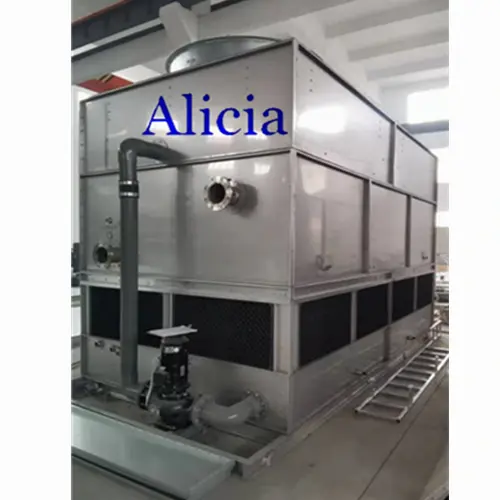 Why are closed-circuit cooling towers needed to make cheese?
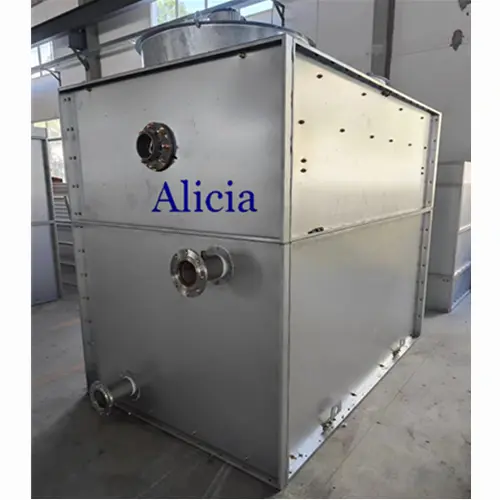 closed-circuit cooling tower systems for process cooling applications
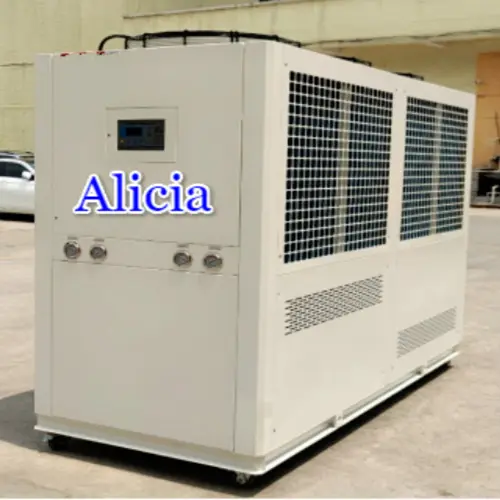 How are chillers used in the cosmetics manufacturing industry?
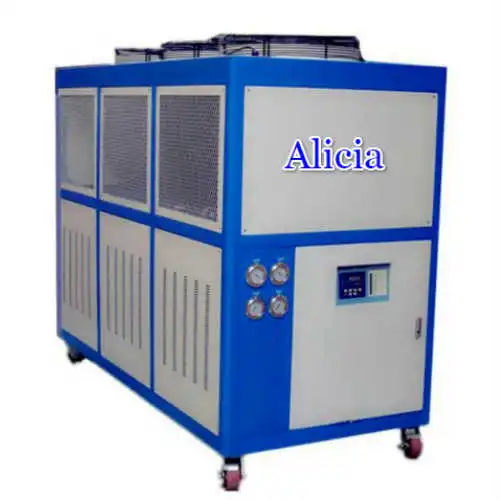 How are water chillers used in the detergent manufacturing industry?


