In grape wine production, water chiller units (often equipped with ethylene glycol/ice water circuits) are mainly used in six key stages: temperature-controlled fermentation, cryo-maceration, juice clarification, cold stabilization, aging and storage, and pre-bottling cooling. Their core functions are precise temperature control, flavor preservation, stability promotion, and spoilage prevention.
I. Post-harvest: Grape/Juice Pre-cooling and Cryo-maceration (primarily for red grape wine)
Grape bunch pre-cooling: Rapidly lowering the temperature to 10–15℃ after harvest to inhibit oxidation and microbial growth, preserving fruit aromas; using chilled water + plate heat exchangers or spray cooling.
Cryo-maceration (cold maceration): After crushing, lowering the temperature to 5–12℃ and maintaining this temperature for 3–7 days; low-temperature extraction of pigments, tannins, and aromas, reducing bitterness; temperature control using fermentation tank jackets/internal cooling plates + ethylene glycol chilled water.
White grape juice clarification at low temperatures: After pressing, cool to 4–6℃ and let stand for 24–72 hours; this promotes the precipitation of pectin and impurities, improving clarity and taste; cooling is achieved using ice water (0–5℃) + a heat exchanger.
II. Fermentation Stage: Temperature-controlled fermentation (required for both red and white grape wines)
Fermentation is an exothermic reaction (approximately 2.5–3.5 kJ/L・℃). Uncontrolled temperature can lead to aroma loss, premature yeast aging, and contamination by other microorganisms.
White grape wine fermentation: Temperature controlled at 10–18℃ (12–15℃ for premium dry whites); low temperature preserves floral and fruity aromas and crisp acidity; 50% ethylene glycol cold water (-2~5℃) is circulated in a jacket/inner coil.
Red grape wine fermentation: Temperature controlled at 22–30℃ (24–26℃ for high-end grape wines); this balances tannin extraction and fruit aromas, avoiding burnt flavors from high temperatures; during the vigorous fermentation period (rapid temperature rise), a large amount of cooling is needed to quickly remove heat.
Key Equipment: Jacketed stainless steel fermentation tank, internal cooling plates/coils, plate heat exchanger, ethylene glycol chiller (water supply -5~7℃).
III. Post-Fermentation: Cold Stabilization Treatment (Mandatory, Core Step Before Bottling)
Principle: Cooling to the grape wine's freezing point (approximately -1~-4℃, = -alcohol content + 0.5%), maintained for 7–14 days; promotes the crystallization and precipitation of potassium bitartrate (tartrate), preventing turbidity and sedimentation in the bottle.
Temperature: -1~-4℃ (adjusted according to alcohol content), requires a low-temperature chiller (ethylene glycol, -5~0℃) for stable temperature control.
Function: Improves biological/physical stability, extends shelf life, and improves taste.
IV. Aging/Storage Stage: Constant Temperature Cellar Storage and Barrel Temperature Control
Stainless Steel Tank Aging: Temperature controlled at 10–15℃ (Red 12–15℃, White 10–12℃); slows oxidation and promotes flavor blending; uses a circulating jacket with ice water (5–10℃).
Oak Barrel Aging: Cellar temperature constant at 12–16℃, humidity 60–75%; chiller unit combined with air conditioning/air-cooled system for temperature control to avoid barrel temperature fluctuations affecting grape wine quality.
Brite Tank: Temporary storage before bottling, temperature controlled at 8–12℃; maintains clarity and stability, preventing secondary fermentation.
V. Pre-Bottling: Rapid Cooling and Bottling Temperature Control
Crash Cooling: Cooling to 4–10℃; reduces grape wine activity, decreases foam, and facilitates aseptic filtration and bottling; uses a plate heat exchanger + ice water (0–5℃) for rapid cooling.
Temperature control on the bottling line: Maintain 6–10℃ to prevent bottle explosion, aroma loss, and microbial contamination caused by high temperatures; chillers provide cooling for the bottling area's cooling jacket/heat exchange plates.
VI. Auxiliary processes: Workshop and equipment cooling
Crushing/pressing zone cooling: Control temperature 15–20℃ during high-temperature seasons to prevent grape juice oxidation and the proliferation of unwanted microorganisms.
Yeast activation/cultivation: Control temperature 20–25℃ to ensure yeast activity and stable fermentation start-up.
CIP cleaning water cooling: Cool to room temperature/low temperature after cleaning to protect equipment and prevent high-temperature residue from affecting the quality of subsequent batches of grape wine.
Water Chillers selection considerations
Type: Glycol chillers are preferred in the grape wine industry (anti-freeze, anti-corrosion), with an adjustable temperature range of -10~20℃.
Cooling capacity: Designed based on the maximum heat release load of fermentation + cold stability load; fermentation load ≈ twice the cold stability load, allowing for one unit in operation and one on standby/two units in parallel.
Temperature precision: Fermentation ±0.5℃, cold stability ±0.3℃, ensuring stable grape wine quality.




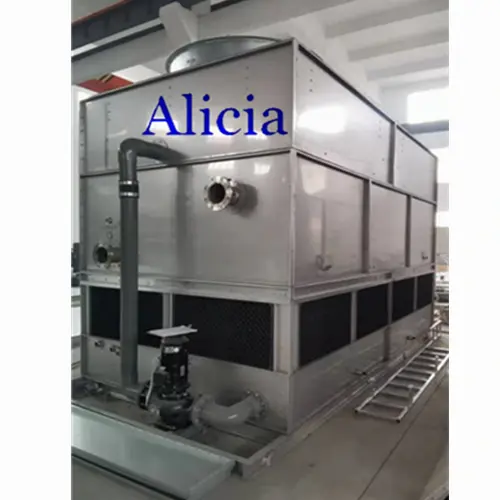 Why are closed-circuit cooling towers needed to make cheese?
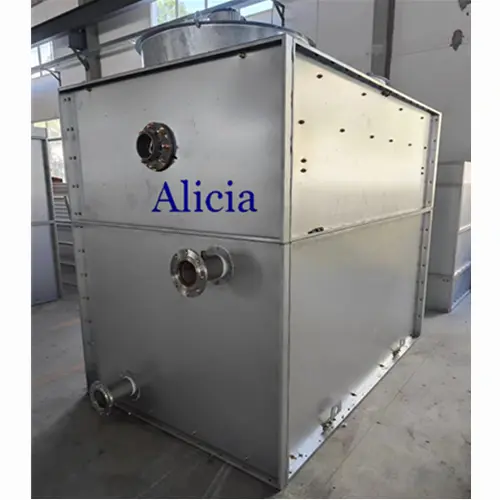 closed-circuit cooling tower systems for process cooling applications
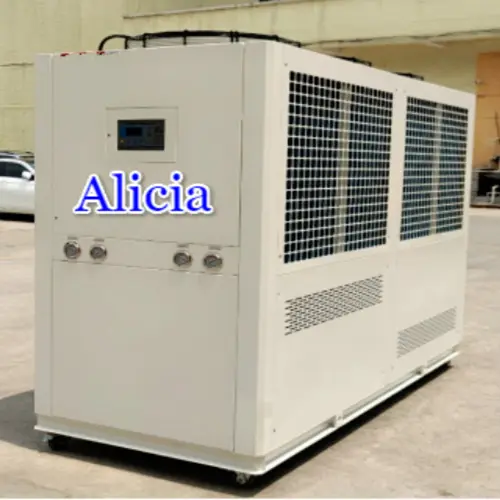 How are chillers used in the cosmetics manufacturing industry?
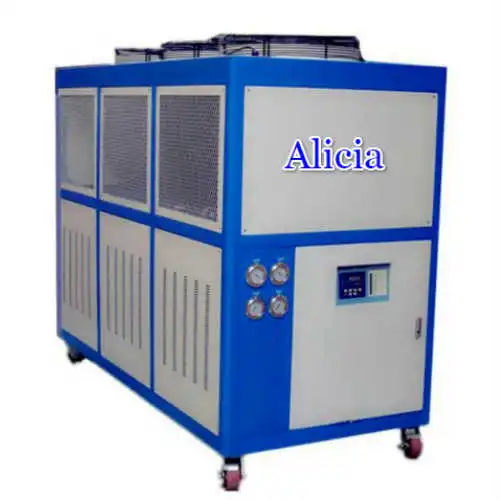 How are water chillers used in the detergent manufacturing industry?


